
WEBSITE & TRADE name are FOR SALE
therapy@laserina.co.uk
.png)




WHY DO I HAVE MILIA?
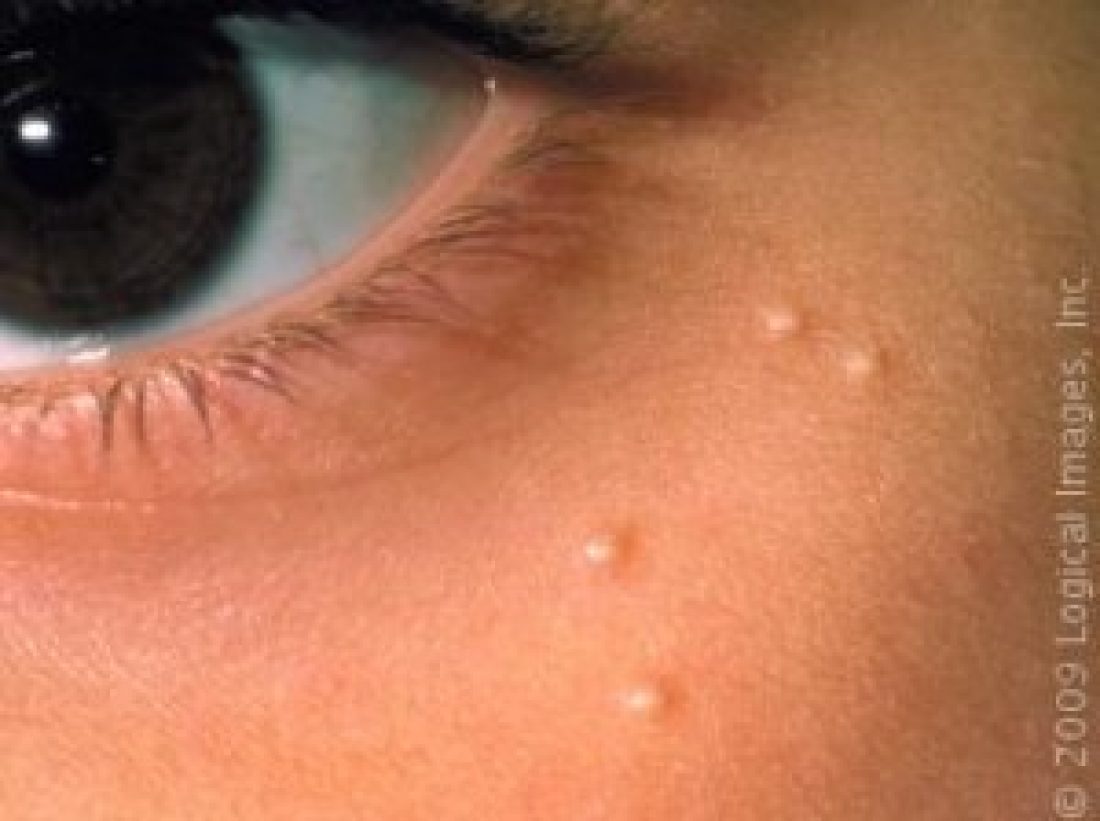
Milia are small, raised, pearly-white or yellowish bumps on the skin. They are most often seen on the skin around the cheeks, nose, eyes and eyelids, forehead and chest but they can occur anywhere on the body. We found the best method of milia removal with NO BLEEDING, NO SCARRING AND NO PAIN. If you looking for an answer to: “why I have milia?”, read on…
Milia are very common cosmetic nuisance and can affect people of any age. It can occasionally clear itself out but generally requires the professional treatment.
What are milia and what do they look like?
A milium is a small, raised bump on the skin. It is a type of tiny skin cyst filled with a protein called keratin. Many are usually found together and so they are called milia (the plural of milium). As can be seen in the picture, milia are usually each about 1 or 2 millimetres across and are pearly-white or yellowish. They are most often seen on the skin around the cheeks, nose, eyes and eyelids, forehead and chest but they can occur anywhere on the body.
What Causes Milia?
Although, the exact cause is unknown but it have been related to the diet high in cholesterol and vitamin C. Another most common reason for milia appearance is overloading your skin with heavy, creamy comedogenic (pore clogging) skin care products.
In some adults, sun damage is also a major contributor to milia, because it thickens and toughens the outer layers of skin, making it harder for dead skin cells to find their way out of glands. The cysts then form in the areas that were overexposed to unforgiving rays.
Other causes of milia include:
- Blistering skin conditions, such as bullous pemphigoid, epidermolysis bullosa, and porphyria cutanea tarda
- Burns
- Blistering injury to skin, such as poison ivy
- Following skin resurfacing procedures such as dermabrasion or laser resurfacing
- Following long-term use of steroid creams
Sometimes we just inherit certain undesirable skin tendencies.
Treatments available:
If the diagnosis from the doctor is primary milia in an infant, no treatment is necessary, as the bumps will go away on their own within a few weeks.
Primary or secondary milia in an adult may disappear on their own, but you may be advised on one of the following:
- Piercing each milium with a sterile lancet or scalpel followed by removal of the cyst material with a tool called a comedone extractor
- Topical retinoid cream such as tretinoin, tazarotene, or adapalene
- A series of acid peels or microdermabrasion procedures at the dermatologist’s office
We have looked and tried all of the above methods and came to the conclusion that they are not the best choice. Some of these methods may leave a scar or cause skin irritation, dermatitis or post-inflammatory pigmentation which can become permanent. Based on our medical background and years of both surgical and non-surgical cosmetic experience we discovered the best method of dealing with this skin nuisance with NO BLEEDING, NO SCARRING AND NO PAIN.
