
WEBSITE & TRADE name are FOR SALE
therapy@laserina.co.uk
.png)



Adult acne: types, causes, myths and treatments
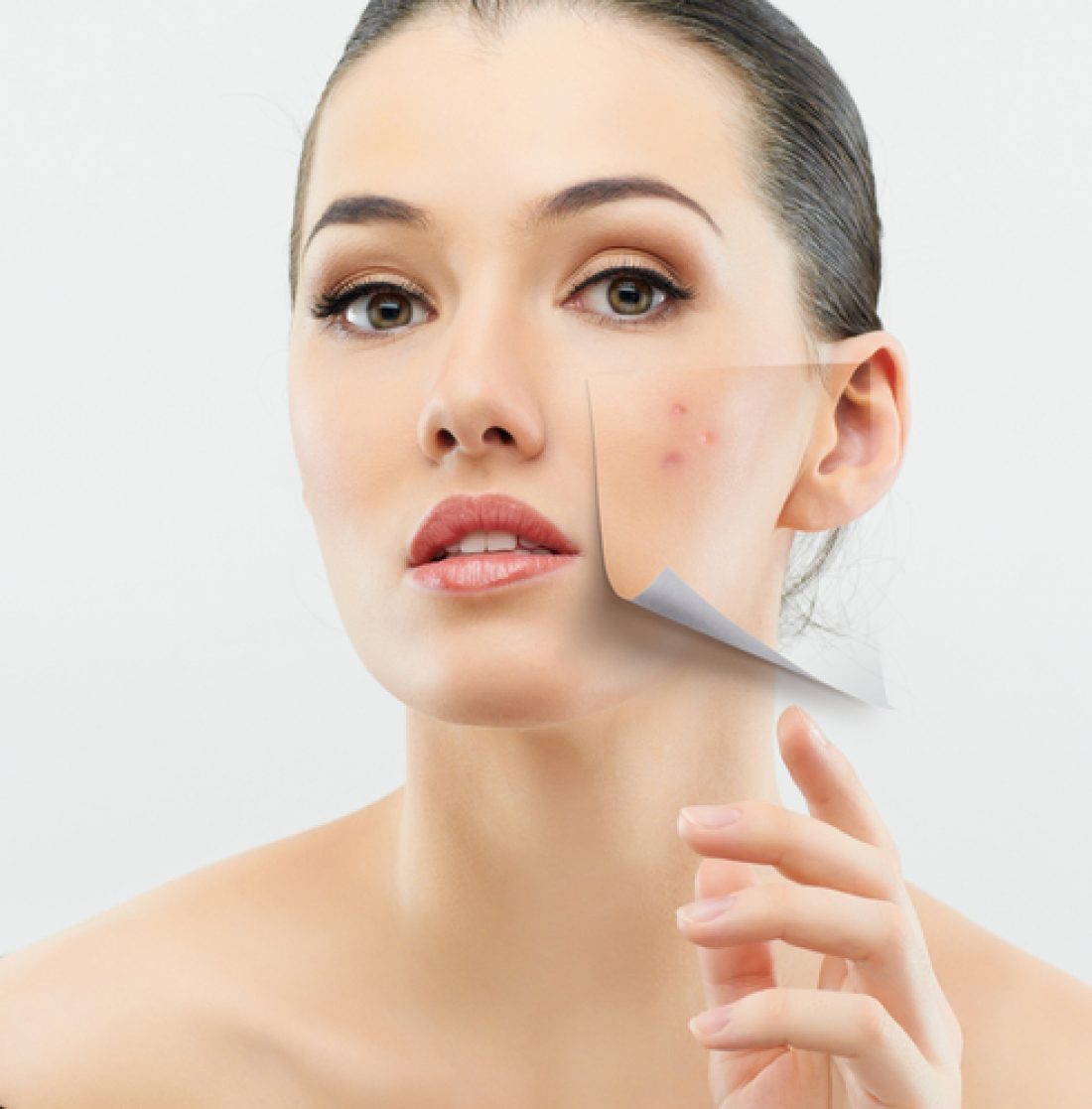
The number of adult men and women who suffer from deep painful spots on their face, neck and backs is constantly growing. Therefore, these inquiries to our medical practitioners with a request for help to put this condition under control are overwhelming. Acne is no more a condition which affects only teenagers.
Acne is a chronic inflammatory disease of the pilosebaceous unit. This structure consists of hair, hair follicle, arrector pili muscle and sebaceous gland. Sebaceous glands within the follicles release a substance called sebum. This substance is responsible for providing moisture, lubrication and a waterproof barrier for the skin. The inflammation happens when sebum production is overstimulated by the increase of a male hormone – androgen. P. acne bacteria also plays in important role and causes redness, pain, irritation and most of all negative impact on social functioning. Facial acne is difficult to cover. It has major emotional implications which can significantly affect the quality of life.
The types of adult acne
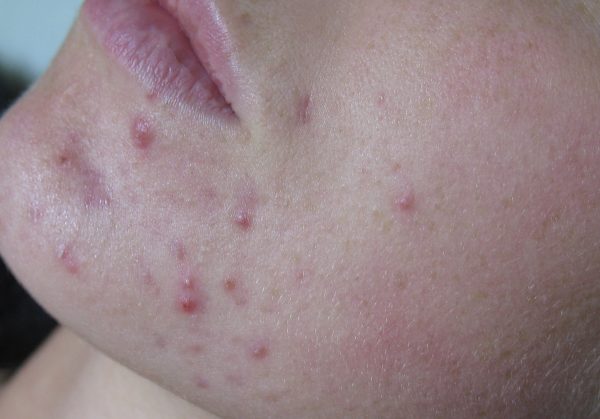
There are three main types of Acne; mild, moderate and severe. Mild Acne presents itself with non-inflammatory comedones; white and black heads. Moderate Acne consists of a mixture of non-inflammatory comedones, inflammatory papules and pustules. Severe Acne can spread to neck, shoulders and back and usually presented by angry inflammatory papules, pustules and cysts.
In any case Acne is very difficult to treat and will require a prolonged course of combined treatments. The success of the treatment depends on the body healing ability, treatment tolerance, persistence and patience. Results are not seen straight away and sometimes it takes 4-6 treatments to notice first improvement of the condition.
The triggers of adult acne
Some patients who suffer from acne in adulthood will already have experienced it in their teens. Nevertheless, we often have patients who state that they never had spots in teen years. These people are looking for an answer to why they have Acne later in life. NHS figures suggest the condition affects 5% of women and 1% of men over 25 but we notice steady growth of inquiries.
Unfortunately, many of the triggers of adult acne are hormone related. Women who suffer with polycystic ovarian syndrome (PCOS) are more prone to acne. Generally, their elevated testosterone is the main cause of the condition. Irregular menstrual cycle, pregnancy, the time of the month around ovulation are linked to acne. Menopause will alter hormonal balance decreasing oestrogen and increasing testosterone causing acne like breakout that might’ve never happened before.
Some commonly used medications have been shown to increase the likelihood of acne too. These are corticosteroids, anti-epileptics and some mood-stabilising treatments such as Lithium. Performance-enhancing drugs, such as anabolic steroids, can raise the risk of acne.
The myths
Can soft drinks cause acne?
Some people claim that sugary sweets like soda are to blame. While there is no direct link between soda consumption and the development of acne, substances in soda and amount of sugar could create issues in the body that cause acne as a side effect.
Can particular foods and the Sun give you acne?
The debate over acne and diet continues and some patients report an improvement after modifying their diet. The Journal of American Academy of Dermatology published a review in 2014 of the evidence regarding acne and diet. One of the findings suggested that patients who consumed high sugar diets had higher instances of acne. The truth is that foods such chocolate, coffee, pizza and potato chips do not cause acne. But they can make it worse.
Another well known myth is that sun bathing can clear up acne. Although the sun can dry out pimples and is advisable in a very moderate amount, the excessive exposure to sun rays will thickens the top layer of the skin and increase production of the sebum contributing to the clogging of pores.
Can wearing makeup give you acne?
Makeup can not cause acne but excessive wear of it will most definitely contribute to appearance and amount of blackheads, whiteheads, pimples and make the inflammation worse. Wearing make-up that has a higher oil content can, in theory, increase the risk of blocking the hair follicles. Makeup must be removed on daily basis before sleep.
Can poor hygiene cause acne?
Looking after your skin is always a bonus. Poor hygiene will not cause Acnebut might aggravate its appearance. Washing your makeup brushes and sponges regularly will stop bacteria accumulation and spreading.
Can stress cause acne?
Some patients swear that stress causes their acne to flourish but there is no scientific data to back it up. Studies also have found that college students have increased breakouts during final exams. However, not all students with acne have increased breakouts during stressful times. Although, we are confident that acne is a cause of stress for many adult sufferers, we haven’t seen any good studies showing that stress hormones make acne worse.
Treatments
There are many treatments to combat acne and they include over-the-counter topical creams, prescription-strength preparations and medical aesthetic treatments.
The best basic treatment which we advise patients who suffer from mild – moderate acne is Ultrasonic Deep Skin cleansing. This treatment can be combined with Glycolic acid application and topical Benzoyl peroxide cream and allows deep cleansing of large pores, black heads, papules and pustules. Combination of these methods will reduce P. acne bacteria in the sebaceous unit and significantly reduce both inflammatory and non-inflammatory lesions.
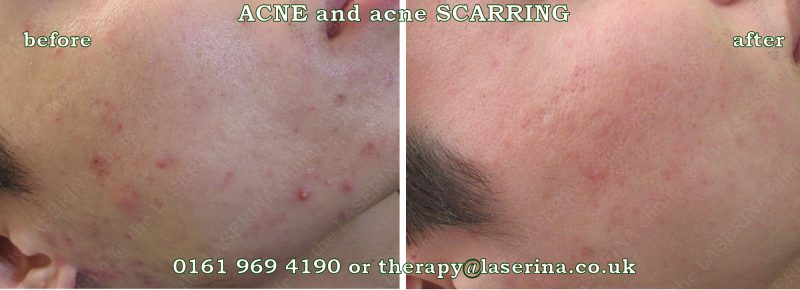
If these treatments fail to improve symptoms, topical or oral antibiotics might be considered. Your GP will usually prescribe antibiotics or Roaccutane which may have a varying degrees of success to combat your acne.
Antibiotics
These medications have to be taken over a few months and while treating your skin may seriously damage normal bacteria in your stomach and intestine. Topical antibiotics are often used to treat acne but P. acne resistance to them has increased and reports are showing diminished effectiveness. Some antibiotics may take several months for visible effects.
Roaccutane
Isotretinoin, also know as Roaccutane has some unwanted side-effects too. It may damage your liver and causes mood swings. The most important aspect of treatment to understand is that they do not work overnight and need to be continued for at least six to eight weeks before improvements can be seen.
Based on our extensive experience we state that acne is not easy to treat but we helped a lot of patients to control the condition and improve their quality of life as a result.
Every single patient will have their own story, approach and combination of treatments. There are a few treatments we offer to improve this skin condition and they will be advised to each individual depending on their circumstances.
IPL or Laser
treatment is the desired option for most due to good outcomes, low risk and minimal or no downtime. IPL has an antibacterial effect as well as a calming effect on sebaceous glands. During and following the treatment the bacteria will be destroyed and the inflammation of the sebaceous gland is reduced and its activity limited. This can result in long term remission from acne.
We use the latest advanced Medical Grade Laser, have more than 20 years on Medical experience and more than 12 years of hands on Aesthetic experience. Therefore, our treatments are safe and our customers’ result are guaranteed and long lasting.
The Dermapen®
treatment can provide drastic results improving the appearances of the scars. The micro needles of the Dermapen® create new collagen and elastin to be generated and deposited called collagenesis, however the added benefit of new capillary growth is also a result which can improve blood supply to the area which helps create healthier existing skin as well as provide a healthy foundation for the new skin.
PRP
(Platelets Rich Plasma) treatment is an exciting proven medical method using your own blood to correct acne and acne scarring. The method of injecting your own blood into the face is not new and is showing exciting results for patients looking to control acne, correct acne scars and rejuvenate their skin. The platelets found in our blood have ability to trigger immune response, regrow collagen and elastin, the building blocks of young and healthy skin. When your own blood is injected back into your skin, the body naturally begins a healing process that helps to rid of acne scars.
You will find more information about ACNE TREATMENTS and ACNE SCARRING TREATMENT on dedicated pages of our website. As aesthetic medicine moves forward, the treatment options and combinations are ever improving. With all the options available, our medical practitioner can help you to banish the breakout and feel more confident about yourself and your skin. You are very welcome to book a FREE of charge initial consultation and visit our clinic for a friendly chat with a medical practitioner and discuss your options, timescale and prices.
Call us on 0161 969 4190 or email to therapy@laserina.co.uk
